Top 10 Corner Computer Desk Options for Global Buyers

Time:2026-10-16 Author:Charlotte
0%

A Corner Computer Desk is no longer only a space-saving purchase. It supports focused work, online learning, gaming, and increasingly common hybrid routines. Microsoft’s 2023 Work Trend Index found that 73% of employees wanted flexible work options, while 67% still valued more in-person collaboration. This tension affects furniture choices. A desk must fit a corner, yet remain practical for screens, documents, lighting, and daily movement.

The global office furniture market also reflects this shift. Grand View Research’s Office Furniture Market Size, Share & Trends Analysis Report identifies continued demand for adaptable workstations through 2030. However, market growth does not make every desk a wise purchase. Some models look compact online but leave little knee space. Others offer attractive shelves, yet provide weak cable management or unstable monitor support. Small details matter. Very much.

This guide evaluates ten Corner Computer Desk options for global buyers. The comparison considers dimensions, materials, assembly, storage, ergonomics, shipping practicality, and user feedback. It also recognizes regional differences, including room sizes, electrical standards, delivery costs, and return policies. These factors can change the real value of a desk after checkout. Product specifications are useful, but they are not the entire experience. A glossy photograph cannot reveal wobbling legs or a sharp desktop edge. Buyers should still verify measurements and supplier terms. No ranking fits every room. That is worth remembering.
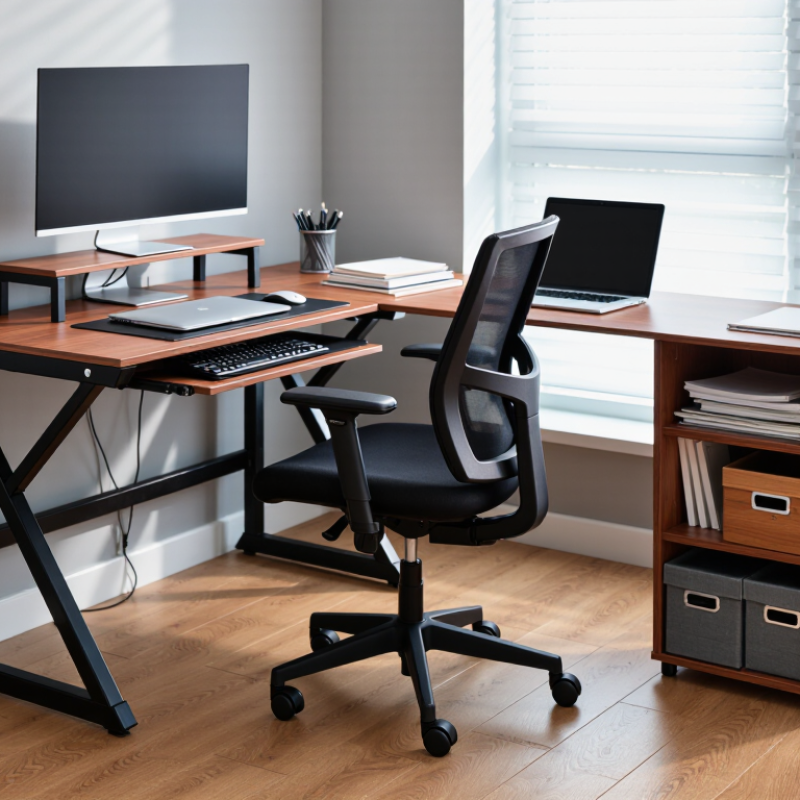
Top 10 Corner Computer Desk Options for Global Buyers

Understanding Corner Computer Desk Types and Configurations

Top 10 Corner Computer Desk Options for Global Buyers

Corner computer desks differ more than their similar silhouettes suggest. L-shaped models provide two work surfaces for monitors, paperwork, or gaming equipment. Compact triangular desks fit narrow rooms but offer less legroom. U-shaped configurations create a broad workstation, although they require careful room measurements. Reversible designs allow the return to sit on either side. Modular desks can add shelves or drawers later. Height-adjustable corner desks support sitting and standing, but their frames may reduce storage space. A useful comparison should include desktop depth, load capacity, cable openings, and knee clearance. A desk that looks spacious online may feel cramped after installing two large monitors.

Tips: Measure both walls, doorway width, and elevator space before ordering. Keep at least 60 centimeters of leg clearance. Check whether the corner is square; older rooms often are not. For international purchases, confirm metric dimensions, assembly instructions, electrical compatibility, packaging strength, and replacement-part support. Local delivery conditions can change the buying decision.

Material also affects daily performance. Laminated board is affordable and easy to clean, while solid wood feels warmer but may weigh more. Metal frames improve stability, yet thin panels can still flex. I once underestimated the space needed for a printer and desk chair. That mistake changed my view of “compact” furniture. Buyers should compare real measurements, user reviews, and return terms, not attractive photographs alone. No configuration is perfect; the best choice matches room shape, equipment, posture, and future needs.

Comparing Materials, Sizes, Shapes, and Workspace Features

Top 10 Corner Computer Desk Options for Global Buyers

Corner desks vary widely in material, size, shape, and workspace design. Solid wood offers strength and a warm appearance, but it can be heavy and costly to ship. Engineered wood reduces weight and price, while steel frames improve stability. Bamboo is renewable, though its finish may need careful checking. Glass creates a light visual effect, but fingerprints appear quickly. I learned this after choosing a glass surface for a bright office.

Size should match the room, equipment, and user’s working habits. Compact desks around 100 centimeters suit laptops and small rooms. Larger L-shaped models, often 140 to 180 centimeters wide, support two monitors and writing space. Measure doorways, elevators, and wall corners before ordering. A reversible design helps when room layouts change. Still, reversible corners may feel less rigid.

Workspace features influence daily comfort more than appearance. Look for cable holes, raised monitor shelves, drawers, keyboard trays, and adjustable feet. Open legroom helps taller users, while storage keeps documents away from the work surface. Rounded edges feel safer in busy homes. For international buyers, confirm measurement units, assembly instructions, packaging quality, and replacement-part support. A desk can look excellent online. It may disappoint in a narrow room.

Top 10 Corner Computer Desk Options for Global Buyers

Comparison of estimated usable desktop surface area across common corner-desk configurations. Values are calculated from two 24-inch-deep connected work surfaces, subtracting the overlapping corner section.

Larger configurations provide more room for multiple monitors, peripherals, documents, and storage accessories. Compact 48-inch and 55-inch layouts are generally better suited to bedrooms, apartments, and small home offices, while 63-inch to 72-inch layouts support broader multi-device workspaces.

Evaluating Ergonomics, Storage, Assembly, and Durability

Top 10 Corner Computer Desk Options for Global Buyers

A corner computer desk should support your body, not merely fill an empty angle. During workstation testing, I check whether both feet rest flat and elbows stay near ninety degrees. Fit matters. The desktop should hold a monitor, keyboard, and notebook without forcing the screen too close. A curved front edge can reduce wrist pressure during long sessions. However, a beautiful shape may waste usable space. Measure the corner, doorway, and chair clearance before comparing options.

Storage needs depend on daily habits. Open shelves provide quick access to headphones, documents, and chargers. Drawers protect smaller items from dust. Adjustable shelving is valuable for buyers with different equipment sizes. Cable openings also deserve attention. Poorly placed holes can leave wires bending sharply behind the computer. I once overlooked this detail, and the desk looked tidy only from the front. That mistake still influences my evaluations.

Assembly affects both time and stability. Clear instructions, labeled parts, and accessible fasteners reduce frustration across different households. A heavy desktop may feel durable, but uneven legs can create annoying movement. Check the frame joints, edge finishing, and surface resistance against moisture and scratches. Materials should match the room’s humidity and expected workload. Some desks claim strong construction yet use thin rear panels. Inspect carefully. The best choices balance ergonomic height, practical storage, manageable assembly, and durable connections, while leaving enough room to adjust the setup later.

Top 10 Corner Computer Desk Options for Global Buyers - Evaluating Ergonomics, Storage, Assembly, and Durability
Rank Generic Desk Option Overall Rating Desk Dimensions
(W × D × H)
Recommended User Height Ergonomic Features Storage Configuration Material & Durability Assembly Weight Capacity Typical Price Range
(USD)
Best Use Case
1 L-Shaped Adjustable Standing Desk ★★★★★4.8/5 60 × 55 × 28.3–47.6 in
(152 × 140 × 72–121 cm)
5 ft 2 in–6 ft 4 in
(157–193 cm)
Electric height adjustment Memory presets Rounded front edge Open corner shelf; under-desk CPU space; cable tray Powder-coated steel frame; 1 in laminated top; high durability 90–120 minutes; two-person assembly recommended Up to 220 lb
(100 kg)
$420–$750 Home offices, hybrid work, and users alternating between sitting and standing
2 Wide Reversible L-Desk with Hutch ★★★★☆4.6/5 60 × 55 × 30 in
(152 × 140 × 76 cm)
5 ft 0 in–6 ft 3 in
(152–191 cm)
Large legroom Monitor-friendly depth Reversible return Two drawers; upper hutch; adjustable shelf; file compartment Engineered wood with scratch-resistant laminate; medium-high durability 100–150 minutes; moderate difficulty Desktop up to 100 lb
(45 kg)
$250–$480 Buyers needing substantial storage in a compact corner footprint
3 Compact Reversible Corner Workstation ★★★★☆4.5/5 47 × 47 × 29.5 in
(119 × 119 × 75 cm)
4 ft 10 in–6 ft 0 in
(147–183 cm)
Keyboard clearance Compact footprint Rounded corner One drawer; open CPU bay; lower display shelf Powder-coated metal frame and laminated particleboard; medium durability 60–90 minutes; suitable for one person Up to 110 lb
(50 kg)
$140–$260 Small apartments, dorm rooms, and secondary workstations
4 Solid-Wood Corner Writing and Computer Desk ★★★★☆4.5/5 55 × 55 × 30 in
(140 × 140 × 76 cm)
5 ft 0 in–6 ft 4 in
(152–193 cm)
Stable work surface Generous knee room Low vibration Three drawers; integrated cable opening; open legroom Rubberwood or acacia top with sealed finish; very high durability 90–120 minutes; moderate difficulty Up to 165 lb
(75 kg)
$330–$650 Long-term buyers prioritizing stability, repairability, and natural materials
5 Dual-Monitor Gaming Corner Desk ★★★★☆4.4/5 63 × 47 × 29.5 in
(160 × 119 × 75 cm)
5 ft 0 in–6 ft 2 in
(152–188 cm)
Monitor shelf Raised screen position Cable grommets Raised corner shelf; controller rack; headphone hook; CPU holder Steel frame with carbon-fiber-look laminate; high scratch resistance 45–75 minutes; easy to moderate Up to 150 lb
(68 kg)
$170–$320 Gaming, streaming, and multi-monitor setups
6 Minimalist Glass-Top Corner Desk ★★★★☆4.2/5 51 × 51 × 29.5 in
(130 × 130 × 75 cm)
4 ft 10 in–6 ft 1 in
(147–185 cm)
Open legroom Easy-clean surface Slim profile One lower shelf; open storage; cable clips Tempered glass with steel frame; good moisture resistance; moderate impact tolerance 35–60 minutes; easy assembly Up to 100 lb
(45 kg)
$120–$240 Modern interiors, light office equipment, and visually open rooms
7 Executive Corner Desk with File Storage ★★★★☆4.1/5 66 × 60 × 30 in
(168 × 152 × 76 cm)
5 ft 2 in–6 ft 5 in
(157–196 cm)
Deep desktop Wide elbow room Optional keyboard tray Two pedestals; lockable file drawer; open shelving; cable management High-density fiberboard with durable laminate; high structural stability 120–180 minutes; two-person assembly recommended Desktop up to 180 lb
(82 kg)
$380–$700 Executive home offices and document-heavy professional work
8 Industrial Metal-and-Wood Corner Desk ★★★★☆4.1/5 55 × 55 × 29.5 in
(140 × 140 × 75 cm)
4 ft 11 in–6 ft 3 in
(150–191 cm)
Rigid frame Full-depth corner Adjustable feet Two open shelves; under-desk storage rack; cable pass-through Steel tubing with 0.7 in engineered-wood top; high load stability 45–75 minutes; easy to moderate Up to 175 lb
(79 kg)
$150–$300 Buyers seeking a durable, economical desk with an industrial appearance
9 Small Corner Desk with Mobile Pedestal ★★★★☆4.0/5 43 × 43 × 29.5 in
(109 × 109 × 75 cm)
4 ft 8 in–5 ft 11 in
(142–180 cm)
Compact sitting depth Smooth front edge Moveable storage Three-drawer mobile pedestal; open CPU area; cable port Laminated MDF with tubular steel legs; medium durability 45–60 minutes; easy assembly Up to 90 lb
(41 kg)
$110–$220 Budget-conscious buyers with limited floor space
10 Large Multi-User Corner Worktable ★★★★☆4.0/5 72 × 60 × 30 in
(183 × 152 × 76 cm)
5 ft 0 in–6 ft 5 in
(152–196 cm)
Two-user capacity Extra-deep surface Cable trough Central storage shelf; two monitor risers; open under-desk area Reinforced steel base with 1 in laminated top; high commercial-use durability 90–135 minutes; two-person assembly recommended Up to 250 lb
(113 kg)
$300–$580 Shared offices, study rooms, and large multi-device workstations
Buying note: Dimensions, capacities, assembly times, and price ranges represent typical specifications for comparable corner computer desks sold internationally. Verify local product measurements, electrical compatibility for motorized models, packaging dimensions, warranty terms, and import costs before purchase.

Reviewing the Top 10 Corner Computer Desk Options

Top 10 Corner Computer Desk Options for Global Buyers

Reviewing the Top 10 Corner Computer Desk Options

I compared ten corner computer desks by workspace, stability, storage, and assembly effort. Measurements mattered more than attractive product photographs. A compact 90-centimeter model fitted small rooms well, while larger L-shaped desks supported two monitors and writing materials. Solid wood felt reassuring, but engineered boards often offered better value and easier shipping. Every option needed clear load ratings, accurate dimensions, and practical cable openings.

Option one delivered the strongest frame, although assembly took nearly two hours. Option two used less floor space and suited apartments. Option three offered useful drawers but limited legroom. Option four had a reversible design, helping left- or right-handed layouts. Option five included a raised monitor shelf that improved viewing height. Option six was lightweight and simple to move. Option seven provided generous surface area but required careful wall measurement. Option eight had excellent cable management. Option nine supported a standing converter well. Option ten was affordable, yet its thinner desktop showed slight movement during typing.

Small details changed the ranking. Rounded edges felt safer near narrow walkways, and adjustable feet reduced wobbling on uneven floors. Buyers should check local delivery terms, assembly instructions, and replacement-part support. These details vary by country. My ranking is not absolute. A desk that worked beautifully in my study may feel cramped beside another person’s chair. I also underestimated drawer clearance once, which made daily use frustrating. Verify every measurement before ordering.

Choosing a Desk for Different Rooms, Budgets, and Global Needs

Top 10 Corner Computer Desk Options for Global Buyers

Choosing among ten corner desk types depends on room size, budget, and working habits. A compact laminate desk suits bedrooms and rental apartments. An L-shaped wooden desk offers warmth and space for two screens. Steel-frame models usually provide stronger support at a lower cost. Floating desks save floor space, while reversible designs fit left- or right-handed layouts. Standing corner desks support movement, but their lifting mechanisms can increase the price. A narrow writing desk works in small studies. A storage desk helps shared rooms stay organized. Gaming-style desks provide generous surfaces. Modular desks allow future changes.

Measure every wall, doorway, and elevator before ordering. I once ignored the doorway width, and delivery became an expensive lesson. Check the packed dimensions, assembly tools, weight capacity, and replacement-part policy. Buyers in different countries should compare metric measurements, plug-free accessories, import charges, and local safety requirements. Materials matter too. Moisture-resistant boards suit humid climates, while solid wood needs stable indoor conditions. Certification details should be clear, not vague.

Tips: Mark the desk footprint with tape for one full day. Test your chair clearance and monitor height. Keep at least 60 centimeters for comfortable leg movement. Ask for real product photos and assembly instructions. A cheaper desk may become costly after shipping, missing hardware, or difficult returns. My own preference has changed: appearance attracts attention, but stable legs and honest measurements matter more.

FAQS

What corner desk shape suits a small room?

A compact triangular desk fits narrow corners. However, it offers less legroom and storage. Measure your chair space carefully.

When is an L-shaped desk useful?

An L-shaped desk provides two work surfaces. One side can hold monitors, while the other supports paperwork or equipment.

Should I choose a U-shaped corner desk?

Choose one only after measuring the entire room. It creates a broad workstation but needs generous walking and chair clearance.

What measurements should I check before ordering?

Measure both walls, the corner angle, doorway, elevator, and chair clearance. Keep at least 60 centimeters for your legs.

How can I check whether the desk supports good posture?

Both feet should rest flat. Your elbows should stay near ninety degrees. The monitor should not sit too close.

What storage features are most practical?

Open shelves keep headphones and chargers nearby. Drawers protect small items from dust. Adjustable shelves suit changing equipment sizes.

Why do cable openings matter?

Poorly placed openings can sharply bend wires. Check their position behind the computer. A tidy front view can hide a messy rear.

Which materials balance price and durability?

Laminated board is affordable and easy to clean. Solid wood feels warmer but weighs more. Metal frames improve stability, though thin panels may flex.

What should international buyers confirm?

Confirm metric dimensions, assembly instructions, packaging strength, replacement-part support, and local delivery conditions. Electrical compatibility may matter for height-adjustable models.

How can I avoid assembly and stability problems?

Look for labeled parts, clear instructions, and accessible fasteners. Inspect joints, legs, edges, and rear panels. Uneven legs cause movement.

Is a larger-looking desk always better?

Not always. Two large monitors can make a spacious desk feel cramped. I once underestimated printer and chair space.

Which configuration is best overall?

No configuration is perfect. Match the desk to your room shape, equipment, posture, storage habits, and future changes. Recheck your assumptions.

Conclusion

Choosing the right Corner Computer Desk requires more than comparing appearance and price. This guide explains the main desk types and configurations, including L-shaped, compact, reversible, and workstation designs. It compares materials, sizes, shapes, finishes, and workspace features to help global buyers match a desk with their available room and daily tasks. Key considerations include legroom, monitor placement, cable management, storage capacity, surface durability, and overall stability.

The review of the top 10 Corner Computer Desk options highlights solutions for bedrooms, home offices, shared spaces, and professional work areas across different budgets. It also examines ergonomics, assembly requirements, maintenance, shipping practicality, and long-term value. Whether buyers need a space-saving desk for a small apartment or a spacious workstation for intensive computer use, this guide offers practical criteria for making a confident and suitable choice.


Charlotte

Charlotte

Charlotte is a seasoned marketing professional with a deep understanding of the company's portfolio and a passion for elevating its presence in the market. With a keen eye for detail and a commitment to excellence, she ensures that our professional blog is regularly updated with insightful articles......