Choosing an Oak Tv Stand in 2026 requires more than matching wood color with your television. It involves stability, storage, cable control, finish quality, and responsible sourcing. Grand View Research’s Home Furniture Market report indicates continued global growth through 2030, reflecting stronger demand for practical and visually durable furniture. That growth also creates a problem: attractive products are not always well made.
An experienced buyer should inspect the oak’s construction closely. Look for solid-wood components, reinforced joints, smooth drawer movement, and ventilation openings behind media equipment. A stand should support the television safely without appearing oversized. Measure the wall, screen width, viewing height, and cable path before shopping. Small details matter. A rear cutout can prevent tangled wires. Adjustable shelves can accommodate consoles, soundbars, and streaming devices.
Sustainability deserves equal attention. Forest Stewardship Council certification can provide stronger evidence of responsible forestry than vague claims such as “natural wood.” The FSC Facts & Figures reports document a large global network of certified forests and supply-chain companies, although certification does not guarantee perfect manufacturing. That distinction is easy to miss.
The U.S. Consumer Product Safety Commission continues to warn about furniture tip-over risks, making anchoring hardware an important buying criterion. Choose a design with a broad base, balanced weight, and included wall restraint. Personal experience suggests that beautiful open shelving quickly becomes cluttered. I may be wrong for minimalist rooms, but closed storage usually performs better in daily family use. This guide compares materials, dimensions, construction, safety, sustainability, and value before recommending the best Oak Tv Stand for 2026.
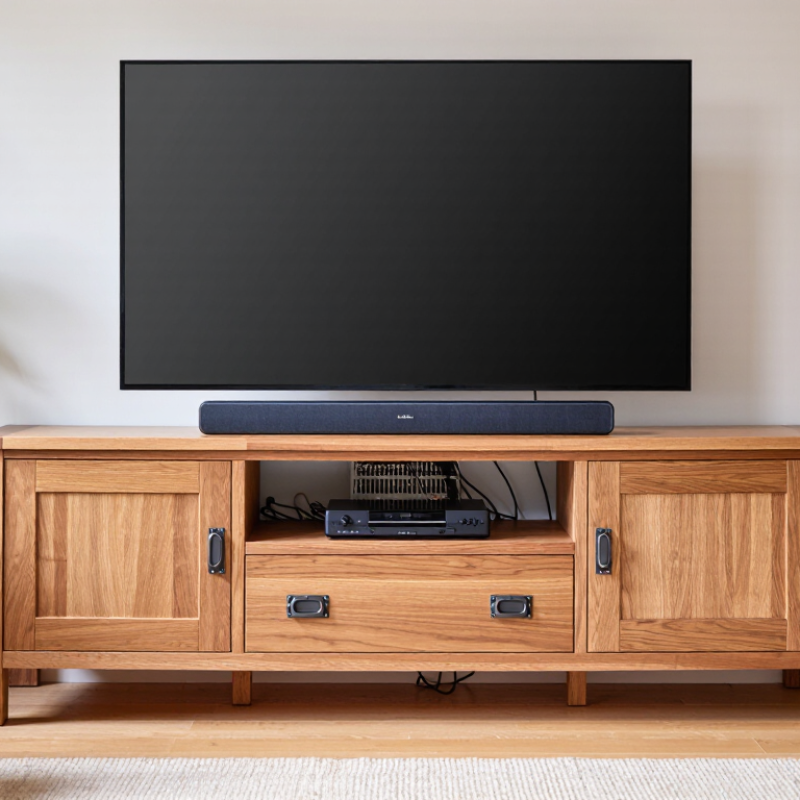
2026 How to Choose the Best Oak TV Stand?
Understanding Oak TV Stand Materials, Styles, and Construction
Oak TV stands can look similar, yet their materials may differ greatly. Solid oak offers natural grain, repairability, and strong long-term appeal. Oak veneer uses a thin oak layer over engineered wood. It can reduce cost while preserving an authentic surface. Not all oak is solid. Check the product description carefully.
Look underneath. The frame should feel stable, with no rocking on a level floor. Dovetail or mortise-and-tenon joints usually indicate careful construction. Screws and dowels can also perform well when fitted precisely. A thick top can still hide weak joints. Inspect the rear panel, especially around cable openings. Thin backing may flex under heavy equipment.
Style should match both the room and the television. Clean-lined stands suit modern interiors, while paneled doors and tapered legs create a traditional appearance. Open shelves improve ventilation and make devices easy to reach. Closed cabinets hide cables and dust, but they need ventilation gaps. Measure the television width, viewing height, and wall clearance before choosing. I once underestimated cable space; the stand looked tidy until several plugs crowded the back. Finishes also deserve attention. A matte oil finish highlights grain, while lacquer gives more surface protection. Neither is completely maintenance-free. Use coasters, avoid standing water, and keep the stand away from strong heat.
Understanding oak TV stand materials, styles, and construction
White and red oak offer strong dent resistance. Solid oak shows natural grain on every edge, while oak veneer uses a thin oak surface over plywood or engineered wood.
Open shelving improves access to media equipment. Closed cabinets create a cleaner look and help reduce visible cable clutter.
Look for reinforced center supports, stable joinery, adjustable shelves, ventilation openings, and a top panel sized for the television base.
Janka hardness values are standard average ratings in pounds-force and can vary by wood species, moisture content, and test sample. Source: USDA Wood Handbook, Wood as an Engineering Material.
2026 How to Choose the Best Oak TV Stand?
Measuring Your Space and Choosing the Right Stand Dimensions
When choosing an oak TV stand, begin with the room, not the screen. Measure wall width, floor depth, and viewing distance with a metal tape. Record the skirting board height, power outlet position, and nearby door swing. A stand can fit the wall yet block a door. That mistake is easy to miss.
Measure the television’s actual width, including its feet. Choose a cabinet at least 2 to 6 inches wider than the screen. This creates visual balance and reduces accidental bumps. Check depth against the TV base, sound equipment, and cable bend radius. Leave several inches behind the stand for airflow and reachable connections. For sofa distance, follow the television’s recommended viewing guidance rather than guessing. Eye level matters too. The screen center should sit near seated eye height, although a low sofa may change that.
Check the interior shelves before ordering. Measure the receiver, game console, and storage boxes individually. Confirm the stated weight rating, shelf spacing, and ventilation openings from the product specification. Solid oak can be heavy, so inspect floor level and doorway clearance. I once measured the living-room wall but forgot the narrow stair turn. The furniture arrived, and the plan failed. Rechecking access feels tedious, but it prevents an expensive return. Keep a small allowance for future devices, though too much empty space can make the cabinet look oversized.
Choosing the best oak TV stand in 2026 requires more than matching wood grain with your living room. Storage, cable management, and equipment capacity affect daily comfort and long-term safety. The Consumer Technology Association’s 2024 ownership study continues to place televisions in more than 90% of U.S. households. That makes the stand a central utility, not just furniture.
Measure the television, wall, viewing distance, and every device before buying. Leave at least 5–10 centimeters behind the unit for airflow and cable bends. Count consoles, streaming boxes, routers, speakers, and game controllers. Adjustable shelves help, but shelf depth matters more than appearance. Deloitte’s 2024 Digital Media Trends survey found that 90% of surveyed U.S. households subscribe to at least one streaming video service. More services often mean more devices. Oak is strong, yet a crowded cabinet can still overheat equipment. My own mistake was trusting listed capacity without checking cable exits. The doors looked neat, but the power strip had nowhere to sit.
Tips: Choose rear openings with separate cable routes. Test each shelf with your heaviest device. Look for ventilation near the back and sides. Keep cables loose, labeled, and easy to reach. A stand rated for 40 kilograms should not carry 40 kilograms continuously. Leave a margin. That small detail is easy to overlook.
2026 How to Choose the Best Oak TV Stand?
A strong oak TV stand should feel stable before it looks attractive. Check the legs, joints, and back panel for movement. Solid oak usually handles weight and daily use well, but construction matters more than thickness alone. A poorly fitted joint can loosen after repeated cleaning or moving. I once preferred a heavier cabinet, then discovered its thin back panel flexed under cable pressure. That mistake changed how I inspect furniture.
Finish quality affects both appearance and protection. Look for an even surface, consistent color, and sealed edges, especially near the floor. Small knots and grain changes are normal signs of real wood. However, rough patches, cloudy areas, or sticky coating may indicate weak finishing work. A matte finish hides fingerprints better, while a glossy finish can show fine scratches quickly. The most attractive finish is not always the easiest to maintain.
Tips: Place felt pads under objects and lift the stand instead of dragging it. Wipe spills promptly with a slightly damp cloth, then dry the surface. Avoid soaking the oak or using harsh cleaners. Keep the stand away from radiators and strong sunlight, because heat can cause shrinking or color changes. Check screws every few months. They may loosen quietly. I still think maintenance advice should mention humidity, since many guides overlook it. A stable indoor environment helps oak remain attractive for years.
Comparing Durability, Finish Quality, and Maintenance Requirements
| Construction Type | Typical Durability | Finish Quality | Moisture and Heat Resistance | Typical Load Guidance | Maintenance Requirements | Expected Service Life | Best Use Case |
|---|---|---|---|---|---|---|---|
| Solid Oak | ★★★★★ Strong, repairable, and resistant to everyday wear when properly assembled. |
Natural grain is visible and can be finished with oil, wax, lacquer, or polyurethane. Minor scratches can often be repaired or blended. | Good resistance when sealed; standing water, high humidity, and direct heat can still cause staining, movement, or cracking. | Often 45–90 kg Actual capacity depends on joinery, shelf span, and manufacturer testing. |
Dust regularly; wipe spills promptly; use coasters and felt pads. Re-oil approximately every 6–24 months when an oil finish appears dry. | 15–30+ years Longer with stable indoor humidity and occasional refinishing. |
Long-term ownership, heavier televisions, and furniture intended to be refinished. |
| Oak Veneer over Engineered Wood | ★★★★☆ Stable panels resist seasonal expansion better than wide solid-wood panels, but damaged veneer is harder to repair. |
Consistent appearance with real oak grain on the exposed surfaces. Quality varies with veneer thickness and edge treatment. | Good when all edges are sealed; prolonged moisture can swell the engineered core and lift the veneer. | Often 30–60 kg Check the tested rating for the top and each shelf separately. |
Use a soft, slightly damp cloth; avoid soaking, abrasive cleaners, and steam. Do not sand deeply because the veneer layer is thin. | 8–15 years Can last longer in dry, climate-controlled interiors. |
Most living rooms, especially where dimensional stability and consistent appearance matter. |
| Reclaimed Oak | ★★★★☆ Often dense and characterful, but previous use may create knots, nail holes, checks, and hidden weaknesses. |
Distinctive aged appearance with natural variation. Surface texture may be intentionally rustic rather than perfectly smooth. | Moderate to good after proper sealing; old timber can absorb moisture through cracks and end grain. | Typically 35–75 kg Inspect the frame, fasteners, and shelf supports rather than judging by appearance alone. |
Dust carefully; use coasters and avoid excess water. Monitor open cracks and renew protective finish according to its condition. | 15–30 years Service life depends strongly on inspection, restoration, and construction quality. |
Rustic interiors and buyers who value visible knots, patina, and material history. |
| Oak-Look Laminate on Particleboard | ★★★☆☆ Suitable for normal indoor use, but corners, fasteners, and exposed edges are more vulnerable to damage. |
Uniform printed grain and color. It does not develop the same repairable patina as real oak. | Limited; swelling can occur if water reaches unsealed edges, joints, or screw holes. | Often 20–45 kg Do not exceed the tested capacity, especially on wide shelves. |
Wipe spills immediately with a nearly dry cloth. Avoid abrasive products, excess water, and moving the unit while heavily loaded. | 5–10 years May be longer with careful use and dry indoor conditions. |
Budget-conscious rooms, temporary setups, and lighter television equipment. |
| Solid Oak with Oil or Wax Finish | ★★★★☆ The wood remains durable, but the finish provides less barrier protection than a film-forming coating. |
Warm, low-sheen appearance that emphasizes grain and is relatively easy to spot-repair. | Moderate; water marks and oily stains can appear sooner if spills are left unattended. | Often 45–90 kg Construction and joinery determine capacity more than the finish type. |
Dust regularly; remove spills quickly; refresh the finish when the surface looks dry or absorbs moisture readily. | 15–25+ years Regular maintenance can extend the usable life substantially. |
Homes where natural texture, easy spot repair, and a matte appearance are priorities. |
| Solid Oak with Lacquer or Polyurethane | ★★★★★ Strong everyday protection against abrasion, stains, and short-term contact with liquids. |
Even, smooth surface available in matte, satin, or gloss. Repairs may require blending or refinishing a larger area. | Good to very good when the coating is continuous; damaged edges and scratches can still allow moisture penetration. | Often 45–90 kg Confirm the product's tested top-load and shelf-load limits. |
Dust and wipe with a damp, non-abrasive cloth. Avoid harsh chemicals, hot objects, and dragging equipment across the surface. | 15–30+ years Finish may eventually need professional renewal even when the wood remains sound. |
Busy households, frequent cleaning, and users who want stronger stain resistance. |
Note: Load ranges and service-life estimates are typical guidance for properly assembled indoor furniture, not universal guarantees. Always follow the tested capacity supplied with the specific TV stand, keep the television centered, and use an anti-tip restraint where appropriate.
Choosing an oak TV stand starts with your room, not a shopping list. Measure the wall, viewing distance, and available floor space before comparing designs. Leave at least 10 centimeters around ventilation areas for streaming devices and game consoles. A stand that looks compact online may feel oversized beside a small sofa.
Your budget should include delivery, assembly, and possible cable accessories. Solid oak usually costs more, but it can tolerate years of daily use and careful refinishing. Oak veneer may offer a lower price with a consistent appearance.
Ask about panel thickness, joint construction, finish safety, and the manufacturer’s stated weight limit.
I once chose a beautiful cabinet without checking its depth. The television base barely fitted. That mistake was avoidable.
Design compatibility matters beyond matching wood color. Honey-toned oak can soften rooms with grey walls, while darker finishes suit metal or charcoal furniture. Open shelves improve access, but closed doors hide dust and controllers.
Check whether remote signals pass through the doors. Inspect drawer movement and rear cable openings in person when possible. Uneven floors can make a long stand wobble, so adjustable feet are practical.
A low profile may improve sightlines, yet it leaves less storage for larger speakers.
Think about future equipment, not only today’s screen. Your preferences may change.
Measure wall width, floor depth, and viewing distance with a metal tape. Record skirting board height, outlet positions, and door swing. Measure twice. A stand may fit the wall but still block a door.
Choose a stand 2 to 6 inches wider than the television. Include the television’s feet when measuring its actual width. This creates balance and reduces accidental bumps. Wider is not always better.
Check the television base, equipment depth, and cable bend space. Leave about 5 to 10 centimeters behind the stand. This supports airflow and easier connections. Do not trap cables tightly.
Measure receivers, consoles, routers, speakers, controllers, and storage boxes individually. Check shelf depth, shelf spacing, and the stated weight rating. Adjustable shelves can help with changing equipment. Empty space is useful, but too much can look oversized.
Choose rear or side ventilation openings. Leave space behind the stand for airflow and cable bends. Avoid overcrowding each shelf. Heat builds quietly.
Confirm doorway width, hallway clearance, stair turns, and floor level. Solid oak can be difficult to move through narrow spaces. I once measured the wall but forgot a tight stair corner. The delivery plan failed.
Check the legs, joints, back panel, and cabinet stability. Look for even surfaces, sealed edges, and consistent finishing. Small knots and grain changes are normal. Loose joints, rough patches, or sticky coating deserve caution.
Wipe spills quickly with a slightly damp cloth, then dry the surface. Avoid soaking the wood and avoid harsh cleaners. Use felt pads, and lift the stand instead of dragging it. Check screws every few months. Humidity still matters.
Choosing the best Oak Tv Stand requires more than selecting an attractive piece of furniture. Start by understanding the differences between solid oak, oak veneer, and engineered wood, then consider how the stand’s style, construction, and finish suit your room. Measure the available space carefully, including wall width, viewing height, and walking clearance, to ensure the stand fits comfortably without overwhelming the area. The dimensions should also support your television safely and leave room for future upgrades.
Storage and cable management are equally important. Look for suitable compartments, ventilation, adjustable shelving, and practical openings for equipment and wires. Compare the stand’s durability, surface quality, and maintenance needs so it can remain attractive with regular use. Finally, balance your budget with design compatibility and long-term value. A well-chosen Oak Tv Stand should complement your décor, organize entertainment equipment efficiently, and provide reliable performance for many years.

Union Home