A Side Cabinet can solve a small, persistent problem: where to keep the lamp, books, or everyday items that gather beside a bed or sofa. The right choice should fit your room and your routines, not just a product photograph. Start with its purpose. A bedside cabinet may need a drawer for chargers, while a living-room piece might display a lamp and hide remote controls. Measure the available width, height, and depth before browsing. Check door and drawer clearance, too; a cabinet that blocks a walkway quickly becomes an annoyance.
Small details matter. Compare the cabinet’s proportions with nearby furniture, and consider how its finish looks in your room’s actual light. Wood, metal, and engineered materials each have different appearances and care needs, so check the product specifications rather than relying on broad labels. Look for sturdy construction, stable legs, and storage that suits the items you plan to keep inside. Looks can mislead. A glossy surface may show fingerprints, while open shelves can collect dust. It is easy to favor a beautiful finish in a photo and overlook these everyday trade-offs. Before choosing, consider your budget, cleaning habits, and how long you expect the piece to serve you. The best Side Cabinet is not always the largest or most decorative. It is the one that fits comfortably, stores what you need, and still feels right after the room has been lived in.
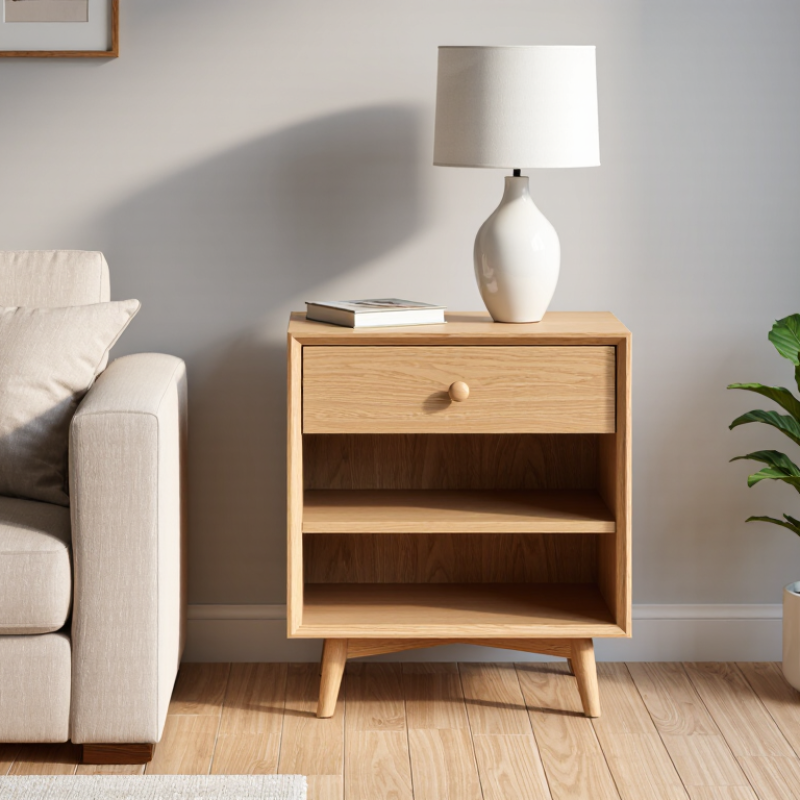
Assess what the cabinet must hold before comparing its finish. List everyday items, then measure their width, height, and depth. A stack of folded towels needs a different shelf height than board games or serving dishes. Start with a quick inventory. Decide where the cabinet will stand and how you will use it: an entryway unit may need a shallow top for keys, while a dining-room cabinet may need deeper shelves and drawers. Check door swing, walking clearance, and nearby outlets. Measure twice. A cabinet can look spacious online yet feel awkward beside a narrow hallway.
Storage choices matter to homeowners. Houzz’s 2024 U.S. Kitchen Trends Study reported that 76% of renovating homeowners upgraded their cabinets. The study focuses on kitchens, so it cannot predict every side-cabinet need. Still, it signals how often storage is part of home improvement decisions. Choose adjustable shelves for changing items, drawers for small objects, and closed doors where visual clutter bothers you. Be honest about habits: a beautiful cabinet with hard-to-reach shelves may become unused space.
Tips: Keep a small list of items you’ll store. Use their measurements to set shelf spacing. Leave a little spare capacity, but don’t buy a much larger cabinet “just in case.” That plan can backfire. If possible, mark the cabinet’s footprint on the floor with painter’s tape and test the walking route before ordering.
Assess storage needs and intended use: compare example cabinet sizes by estimated interior volume.
These are illustrative planning examples, not product specifications. Volumes are calculated from the example interior dimensions shown; shelves, drawer mechanisms, and cabinet construction reduce usable space. Measure the items you plan to store before choosing a cabinet.
Measure the floor area where the side cabinet will sit, including baseboards, radiator pipes, and nearby door swings. Record width, depth, and height in several spots; older walls are not always straight. Keep the tape measure at floor level, where trim can steal valuable depth. Then mark the cabinet’s footprint with painter’s tape. Open nearby doors and drawers fully, and check that handles will not strike a wall or sofa. Small detail. It matters.
For a cabinet near a kitchen route, compare your plan with the National Kitchen & Bath Association’s Kitchen Planning Guidelines. They recommend a 36-inch-wide walkway and work aisles of at least 42 inches for one cook, or 48 inches for multiple cooks. These are kitchen-planning benchmarks, not universal rules for every room, but they help reveal a cramped path. In living rooms or bedrooms, measure the route people actually use, including space around chair legs and bedside access. I would recheck the layout after taping it out; measurements on paper can feel generous, while a protruding handle says otherwise. Don’t forget outlets and switches. A cabinet that hides either may fit neatly, yet prove inconvenient every day.
Side cabinets vary in shape and purpose. A compact bedside cabinet keeps a lamp, book, and charger close. A wider sideboard offers more storage in a dining room or living area. Measure the wall and walking space before choosing. Measure twice. A deep cabinet can make a narrow room feel crowded, even when its storage seems useful in a showroom.
Material affects weight, appearance, and upkeep. Solid wood often shows natural grain and can be refinished, but it may shift with changes in humidity. Plywood with a quality veneer can provide a stable, lighter option. Particleboard is often more affordable, though moisture can damage exposed edges. Check the finish where hands and cleaning cloths will touch it. Look closely. Small chips may reveal how well the surface is protected.
Construction matters as much as the outer material. Open and close every drawer; it should move smoothly without scraping or wobbling. Dovetail or sturdy dowel joints can hold up well, while thin stapled panels may loosen under heavy use. Check that the back panel sits securely and that doors align evenly. I sometimes focus too much on a cabinet’s appearance, then regret overlooking drawer depth. A little awkward, but useful to remember. Ask about weight limits, assembly needs, and care instructions before buying.
| Cabinet Type | Best For | Common Materials | Typical Construction | Advantages | What to Check Before Buying |
|---|---|---|---|---|---|
| Bedside Table | Keeping a lamp, phone, books, and small essentials beside a bed. | Solid wood, plywood, MDF, particleboard, or combinations of these; drawer hardware is commonly metal. | Usually a compact case with one or more drawers, an open shelf, or both. Drawer boxes may use solid wood or engineered wood, with metal slides. | Convenient reach and a small footprint; drawers help keep personal items out of sight. | Check that the height suits the mattress, drawers open smoothly, and the cabinet is stable. A wall anchor can help reduce tip-over risk. |
| Accent Cabinet | Adding enclosed storage in a living room, entryway, or hallway. | Solid wood, plywood, MDF with veneer or paint, glass, and sometimes metal details. | Often has hinged doors, adjustable shelves, and a decorative front. Door hinges and shelf supports may be metal. | Offers versatile storage while serving as a focal point; adjustable shelves can fit different-sized objects. | Measure the intended space and door swing. Look for secure hinges, level feet, and shelves suited to the weight of the items stored. |
| Sideboard or Buffet | Dining rooms and open-plan spaces that need broad, low storage for dishes, linens, or serving items. | Solid wood, plywood, MDF, veneer, or a combination; some designs include glass doors or metal legs. | A wider case typically divided into cupboards and drawers. Better-built examples use reinforced joints, a stable back panel, and supported shelves. | Provides substantial storage and a long surface for serving or display. | Confirm the cabinet fits through doorways and leaves enough room to open doors and drawers. Check the shelf load guidance and whether the unit requires wall anchoring. |
| Filing Cabinet | Home offices that need organized storage for documents and supplies. | Powder-coated steel, solid wood, plywood, MDF, or particleboard, depending on the design. | Usually built with drawer runners designed for file drawers; some models include a lock or an anti-tip feature. | Purpose-built drawer layouts make paper records easier to sort and access. | Check drawer dimensions, compatible file sizes, full-extension operation, lock function if needed, and anti-tip provisions—especially for tall units. |
| Open-Shelf Side Cabinet | Frequently used items, books, baskets, or decorative objects. | Solid wood, plywood, MDF, metal, or mixed materials. | Uses open shelves rather than enclosed doors; rigidity depends on shelf thickness, supports, joints, and the back or frame design. | Items remain visible and easy to reach; open designs can feel visually lighter in a small room. | Check shelf span and stated weight capacity. Open storage offers less protection from dust and does not conceal clutter. |
| Mobile Utility Cabinet | Flexible storage in kitchens, laundry rooms, craft areas, or multipurpose rooms. | Steel, solid wood, plywood, MDF, or moisture-resistant panels; casters are commonly metal and polymer. | May include doors, drawers, or shelves on a wheeled base. Brakes on the casters help keep the unit stationary when parked. | Can be repositioned as household needs change and may provide useful storage in work areas. | Check caster locks, total load rating, and whether the cabinet is suitable for the room’s humidity. Keep heavy items low for better stability. |
Material and construction note: Solid wood is made from natural lumber; plywood is formed from bonded wood veneers; MDF and particleboard are manufactured wood panels. Quality varies within each category, so inspect joinery, hardware, finish, stability, and the manufacturer’s care and load guidance.
A side cabinet should relate to the room without looking like it came from a different home. Look at the largest nearby pieces first: a sofa, bed, dining table, or media console. Notice their shapes, finishes, and visual weight. A low, wide cabinet often sits comfortably beside a broad sofa, while a narrow, legged design can keep a small bedroom feeling open. Measure the available space, including door swings and walking paths. A beautiful cabinet is less useful if it blocks a drawer.
Tips: Repeat one detail, not every detail. Match a wood tone, metal finish, or leg shape, then let other features differ. Bring a furniture photo or paint sample when shopping. Check colors in daylight; warm bulbs can fool you.
Consider the room’s mood, too. A simple cabinet can calm a space with patterned wallpaper, while a textured or curved piece can soften a room of straight lines. Exact furniture sets may feel too formal, though mixing styles takes a little restraint.
If the cabinet’s finish is close—but not identical—to your other wood furniture, compare the undertones. A red-toned oak beside gray-brown wood can look accidental. I’d rather allow a clear contrast than force a near-match. Also check practical details: cabinet height should suit the nearby seat or bed, and shelves should fit what you actually plan to store. Sometimes the room still feels slightly off. Move the cabinet before replacing it.
A side cabinet should feel stable before you judge its finish. Check the joints, drawer alignment, and whether the doors sit evenly. Pull each drawer out fully; it should move smoothly without scraping or wobbling. Feel the difference. Run a hand along the edges and corners, where rough spots or thin veneer may be easier to notice. A sturdy cabinet does not need to be heavy, but it should not rock when lightly nudged.
Choose features that suit your daily routine, not just the product photos. Measure the space, including the path drawers need when open. If you plan to store chargers or a lamp, check for a cable opening and a practical surface depth. Keep it simple. Extra shelves or hidden compartments are useful only if they fit what you actually keep nearby. I would still verify the internal measurements; a listed drawer size can be less useful than it sounds.
Set a budget that includes delivery and any assembly costs. Then compare materials, hardware, warranty terms, and care requirements across options in the same price range. A lower price may make sense for occasional use, while a frequently used cabinet may justify stronger drawer runners and a more durable finish. One detail is easy to overlook: some finishes show dust or water marks quickly. An attractive price is not much of a bargain if the cabinet feels flimsy after a few weeks.
List everyday items and measure them. Folded towels, board games, and serving dishes need different shelf heights.
Measure its width, depth, and height in several spots. Include baseboards, pipes, and door swings. Mark the footprint with painter’s tape.
Keep walking routes clear and open nearby doors fully. In kitchens, wider aisles can help, but room layouts vary. Recheck the taped outline.
Adjustable shelves suit changing items, while drawers help organize small objects. Closed doors can hide visual clutter. Keep it simple.
Check that doors sit evenly and drawers slide without scraping or wobbling. Feel the corners for rough spots. A slight wobble matters.
Check for a cable opening and enough surface depth. Measure the open drawer path too, so it does not hit a sofa or wall.
Allow for delivery and assembly, then compare materials, hardware, warranty terms, and care needs. A low price may not feel worthwhile later.
Measure your items and test the cabinet’s footprint on the floor. Leave some spare capacity, but not a huge “just in case” gap. I’d still double-check the route.
Choosing the right Side Cabinet begins with understanding what you need to store and how you plan to use it. Consider whether it will hold everyday essentials, display decorative items, or provide extra storage in a particular room. Measure the available space carefully, including nearby doors, walkways, and other furniture, so the cabinet fits comfortably and remains easy to access.
Next, compare cabinet styles, materials, and construction to find an option suited to your needs and the conditions of the room. A design that complements your existing furniture can help the space feel cohesive, while practical features such as adjustable shelves or drawers may improve everyday use. Before buying, assess the cabinet’s build quality, useful features, and price together. Balancing appearance, function, durability, and budget will help you choose a Side Cabinet that works well in your home over time.

Union Home