Choosing the right computer table is crucial for enhancing productivity and comfort in your workspace. According to Jane Smith, a renowned ergonomic specialist, "An ideal computer table supports both your body and your workflow." Selecting the perfect computer table involves understanding your specific needs and the space available.
Consider your daily tasks. Do you need extra surface area for papers, or will a minimalistic design suffice? While a larger computer table may seem appealing, it can clutter your space. Reflect on how much equipment you have. Multiple monitors or a large printer need more space.
Ergonomics should also drive your choice. Height adjustment features are vital for comfort. A poorly designed table can lead to back pain over time. Remember, investing in a quality computer table means investing in your well-being. Think about your long-term needs, and let those shape your decision.
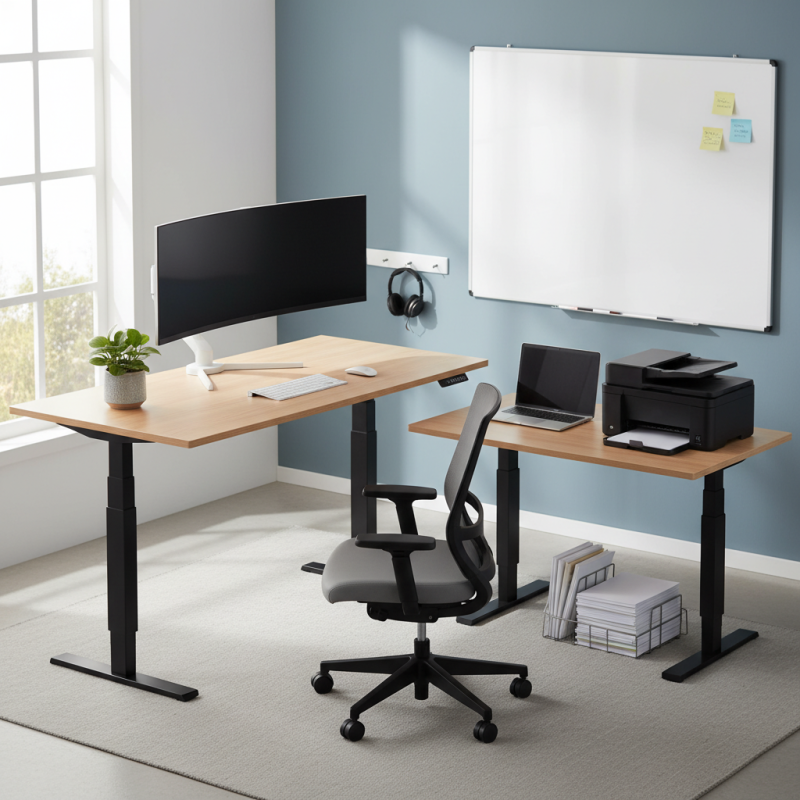
Choosing the right computer table is essential for productivity and comfort. The right height can significantly influence your posture and overall health. A report from the American Ergonomics Association indicates that poor workstation setup can lead to a 30% decrease in productivity due to discomfort. This statistic highlights the necessity of selecting a table that aligns with your ergonomic needs.
Material selection is another critical factor. Wood, metal, and glass surfaces each offer different levels of durability and aesthetic appeal. A survey by the Office Furniture Association found that 45% of employees prefer wooden surfaces for their warm appearance. However, glass tables are trendy but may require careful maintenance. Reflecting on personal habits can also help; do you often spill drinks or need extra durability?
Lastly, storage options should not be overlooked. A table with built-in drawers can enhance organization and efficiency. A study from the National Institute of Health reports that disorganization can increase stress levels by up to 20%. Evaluating your space for these features can lead to better decision-making. Space management is sometimes ignored in the rush to purchase a table, but it can define your workspace's effectiveness.
When selecting a computer table, understanding different styles and features is crucial. A recent survey revealed that 73% of remote workers value adjustable desks for their ergonomic benefits. These tables allow users to alternate between sitting and standing, reducing fatigue. Consider a table with cable management systems. Clutter can lead to distractions and reduced productivity.
L-shaped desks are gaining popularity, especially among multitaskers. They provide ample workspace and often accommodate multiple monitors. Reports indicate that 55% of professionals who use L-shaped tables report increased efficiency. Personalizing your setup can also enhance motivation. Incorporating storage options is important too. Desks with drawers or shelves help maintain an organized area, fostering a focused environment.
While style is a factor, functionality should not be overlooked. Think about your workflow. Is there enough room for devices and paperwork? A too-small desk may hinder productivity. Conversely, an overly large desk can create unnecessary distance, making resources harder to access. Reflect on your actual needs for a better fit.
Choosing the right computer table starts with understanding your workspace. Measurements are essential. According to the American Society of Interior Designers, 60% of people underestimate required desk space. This leads to cramped areas and inefficiency.
Begin by measuring your room’s dimensions. Consider the height and width of your desk. A common mistake is overlooking the chair space. You need at least 24 inches of depth for comfort. Reports from the Workplace Research Foundation show that ergonomically designed spaces improve productivity by 20%. Remember to factor in additional equipment like monitors and printers.
Reflect on your work habits. A cluttered desk can hinder focus. Aim for at least three feet of clearance around your table. It’s also wise to assess natural light exposure. Studies indicate that good lighting boosts mood and energy levels significantly. Invest some time in these considerations; they are crucial for a functional workspace.
When selecting a computer table, material choice greatly influences both durability and aesthetics.
Wood offers a timeless appeal. It brings warmth to any workspace. Solid wood tables can withstand years of use. However, they may require more maintenance. Regular polishing helps preserve their beauty.
Metal is another option, known for its sturdiness. Metal tables tend to be less prone to wear and tear. They provide a modern look that complements various styles. However, they can become cold and impersonal. Consider adding touches like a soft mat for comfort.
Glass tables add a sleek, contemporary feel to an office. They are easy to clean and create an illusion of space. However, glass is prone to scratches and breaks. You might need to be more cautious. Ultimately, your choice should balance practicality with your personal style preferences.
Creating an ergonomic workspace is crucial for maintaining health and productivity. Studies indicate that poor workstation design can lead to musculoskeletal disorders. According to the U.S. Bureau of Labor Statistics, nearly 30% of workplace injuries are related to such issues. This highlights the importance of a well-thought-out computer table.
An ideal computer table should allow for proper posture. The height must support sitting with feet flat on the floor. This reduces strain on your back and neck. A report from the Occupational Safety and Health Administration (OSHA) suggests a height of 28 to 30 inches for the average desk. Additionally, the tabletop should have ample space for a monitor at eye level. This minimizes eye strain and promotes ergonomic alignment.
Consider materials and design features, too. A surface that reduces glare can make a significant difference in comfort. Many ergonomic tables offer adjustable features. These variables can cater to different body types. Yet, not all designs meet individual needs. Thus, it's vital to test options before purchasing. Small adjustments can lead to long-term benefits, but awareness of personal limitations is equally important.
| Feature | Description | Importance |
|---|---|---|
| Height Adjustment | Allows customization of the table height to accommodate different users. | High |
| Surface Area | Provides enough space for computer, documents, and other tools. | High |
| Material Quality | Durable materials that can withstand weight and wear over time. | Medium |
| Cable Management | Features to organize and hide cables for a clean workspace. | Medium |
| Aesthetic Design | The overall look that matches personal or office decor. | Low |
| Stability | Ensure the table does not wobble during use, providing a steady surface. | High |
: Focus on styles, features, and ergonomics. Adjustable desks are popular for comfort and reduced fatigue.
It's essential. A tidy setup minimizes distractions and boosts productivity, helping you stay focused.
They offer generous workspace and accommodate multiple monitors, enhancing multitasking efficiency.
Ensure you measure room dimensions and desk height. Don't forget space for a chair—24 inches is ideal.
Aim for at least three feet of clearance. This improves comfort and access to resources during work.
Wood, metal, and glass each have pros and cons. Wood has warmth, metal is durable, and glass is sleek.
Good lighting improves mood and energy levels, making it vital for a productive environment.
Add storage options or decorations. A personalized workspace can increase motivation and drive productivity.
It may create distance, making necessary resources harder to reach, which can lead to inefficiency.
Not necessarily. A cluttered, yet organized desk can also inspire focus. Reflect on your personal work habits.
When selecting the ideal computer table for your workspace, it's essential to consider various factors that can enhance both functionality and comfort. Start by evaluating different types of computer tables, focusing on styles and features that align with your needs. Measuring your workspace accurately will ensure a perfect fit, while the choice of materials—whether wood, metal, or glass—plays a crucial role in both durability and aesthetic appeal.
Moreover, ergonomic design is vital for promoting health and comfort during long hours of use. A well-designed computer table can significantly impact your posture and productivity. By taking these aspects into account, you can select a computer table that not only complements your workspace but also supports your overall well-being.

Union Home