Choosing the right children's dressing table is crucial for both practicality and design. Linda Hart, an expert in children's furniture design, states, "A well-designed dressing table encourages creativity and independence in kids." This highlights the importance of selecting the right features that cater to a child's needs.
When exploring options for a children's dressing table, parents must consider various factors. A sturdy structure is essential for safety. Many tables come with storage drawers, which help keep the area organized. These features promote a sense of responsibility. The right height is also important, allowing children to reach everything comfortably.
Moreover, aesthetics play a significant role. A colorful design can spark imagination and make daily routines enjoyable. However, it's vital not to overlook durability, as children can be rough with their belongings. Reflecting on choices and balancing fun with functionality can help in making the best decision.
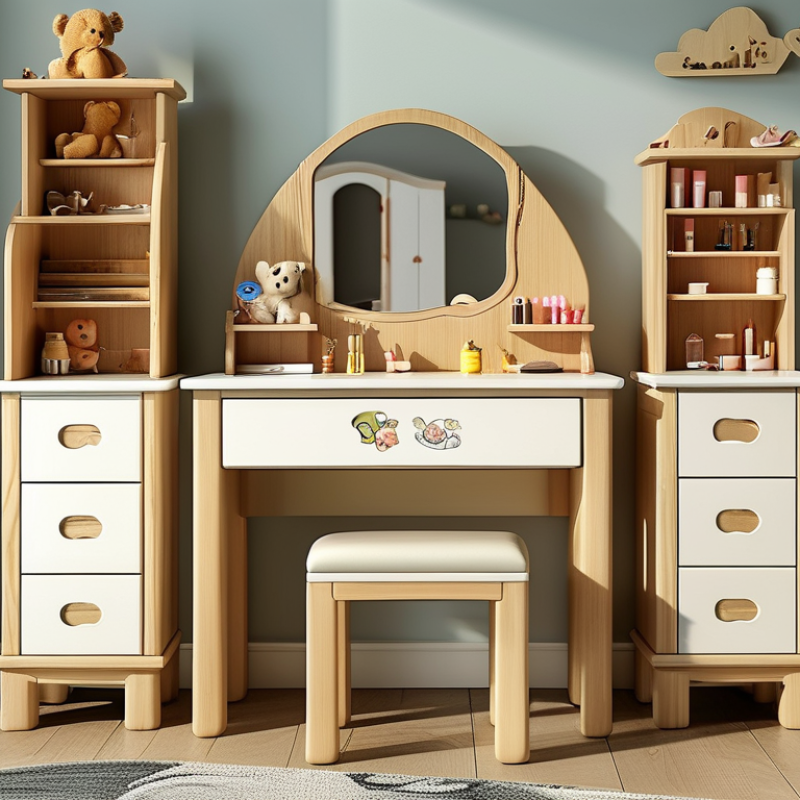
When selecting a children's dressing table, several crucial factors should guide your decision. Size and space are significant considerations. A dressing table should fit comfortably within the child's room. According to the National Association of Home Builders, children's rooms should provide at least 100 square feet of usable space. Assessing the dimensions of the table relative to the room's layout is essential.
Safety features are non-negotiable. Tables should have rounded edges and stable construction to prevent accidents. A survey from the American Academy of Pediatrics notes that a significant percentage of childhood injuries occur from furniture-related accidents. Non-toxic materials are vital, ensuring that kids are safe while they play and explore.
Aesthetics play a role too. The ideal dressing table should appeal to the child's age and preferences. According to research by the American Society of Interior Designers, children's environments influence their mood and behavior. Encouraging personal expression through decor can enhance the child's engagement. However, it's essential to balance aesthetics with functionality. Sometimes, tables that look great lack practical storage or usability features, leading to frustration for both the child and the parent.
: The dressing table should fit comfortably in the child’s room. Ensure the dimensions suit the room's layout.
Safety features like rounded edges and stable construction prevent accidents. Many childhood injuries are from furniture-related incidents.
Choose non-toxic materials. This ensures the child's safety while they play and explore.
Aesthetics can influence a child's mood. A visually appealing design encourages personal expression and engagement.
Focus on height, storage options, and durability. These factors encourage independence and organization in play areas.
Look for sturdy construction and safety features. Check reviews for insights on reliability and durability.
Yes, visiting physical stores allows you to check for stability. Inspecting for defects is crucial for safety.
Warranty info reflects the manufacturer’s confidence. It can also protect your purchase if issues arise later.
Yes, if a table lacks practical storage, it can lead to frustration. Balance aesthetics with functionality for better usability.
Prioritize safety and functionality over design. A great-looking table that isn't usable may hinder your child’s experience.
When selecting a Children's Dressing Table, several crucial factors should be considered to ensure a safe and enjoyable experience for your child. First, the material options must prioritize durability and safety, as children often interact with their furniture in playful ways. Look for non-toxic finishes and sturdy construction to withstand regular use. The design features should enhance both functionality and appeal, incorporating elements like adjustable mirrors and storage for a clutter-free space.
Additionally, it's essential to assess the size and available space in your child's room. A well-fitted dressing table should provide ample room for your child to sit comfortably while getting ready. Finally, when comparing different brands and models on the market, focus on customer reviews and product specifications to ensure that you choose a dressing table that meets both your expectations and your child's needs. By considering these factors, you can find the perfect Children's Dressing Table that adds charm and utility to your child's space.

 Union Home