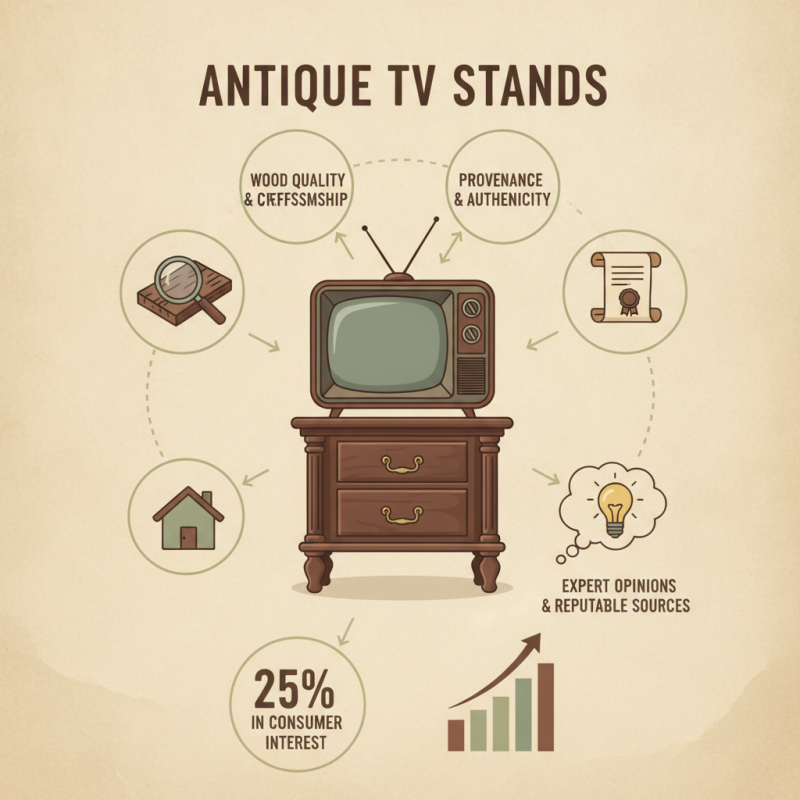
When selecting the perfect Antique TV Stand for your home, many factors come into play. Recent market research indicates that vintage furniture has become increasingly popular, with a 25% rise in consumer interest over the past five years. Homeowners are drawn to the unique charm and character that antique pieces bring to their living spaces.
An Antique TV Stand not only serves a functional purpose but also enhances the overall aesthetic of a room. This is important, as studies show that well-decorated homes can lead to an increase in property value by up to 15%. However, choosing the right piece can be challenging. Not all antique stands are created equal, and factors such as wood quality, craftsmanship, and provenance are crucial for any discerning buyer.
Many individuals regret hasty purchasing decisions, often overlooking essential details. For instance, the authenticity of the piece should be verified to avoid imitators. Buyers should seek information from reputable sources and consider expert opinions. This ensures that the Antique TV Stand is not only a beautiful addition but also an investment worth making.
Antique TV stands are more than just functional pieces of furniture; they embody a rich historical significance. These stands often reflect the craftsmanship and design aesthetics of their respective eras, from the ornate detailing of the Victorian period to the sleek lines of mid-century modern designs. According to a 2019 report by the Antique Furniture Association, the demand for antique furniture, including TV stands, grew by approximately 20% in recent years. This trend highlights an increasing appreciation for historical pieces.
Integrating an antique TV stand into your home can create a focal point that sparks conversation. The wood's patina tells a story of time, while its unique craftsmanship showcases skilled artisans of the past. Yet, buyers should consider the wear and tear that might come with age. Many antique pieces may require refinishing or repair, raising questions about their long-term reliability in modern spaces.
Furthermore, antique stands vary widely in size and design. Some may not accommodate contemporary television sizes. A 2022 consumer report indicated that nearly 45% of antique furniture owners had to modify or customize their stands to fit modern electronics. Balancing functionality with historical charm is crucial when selecting an antique piece that complements your decor.
| Type | Material | Era | Dimensions (W x H x D) | Price Range | Historical Significance |
|---|---|---|---|---|---|
| Mid-Century Modern | Teak Wood | 1950s-1960s | 60" x 30" x 18" | $800 - $1500 | Represents the minimalist and functional design philosophy of the era. |
| Victorian Style | Mahogany | 19th Century | 50" x 30" x 20" | $500 - $1200 | Showcases the ornate craftsmanship and elaborate designs characteristic of the period. |
| Art Deco | Walnut | 1920s-1930s | 55" x 28" x 16" | $700 - $1300 | Embodies the luxury and glamour of the Jazz Age with bold geometry. |
| Colonial | Pine | 18th Century | 48" x 24" x 16" | $400 - $900 | Reflects the simplicity and practicality of early American furniture making. |
| Rococo | Cherry Wood | 18th Century | 54" x 32" x 22" | $600 - $1100 | Known for its elaborate decorations and intricate designs. |
: Consider style, size, and material. Ensure it blends with your decor and fits your TV dimensions.
Solid wood offers durability and quality. Mass-produced items often lack this, leading to quicker wear.
Look for stands with shelves or cabinets. They help organize wires and maintain a tidy appearance.
Height and depth are crucial. An oversized stand can overwhelm a small space.
Regular cleaning and care prevent deterioration. Improper care leads to damage for over 60% of antique furniture.
Keep humidity between 40% and 60%. This range protects wood from warping and damage.
A temperature shift of just ten degrees can damage the finish. Avoid extreme temperatures.
Yes, imperfections add to the character. They tell the story and reflect the piece's unique history.
Periodic checks for wear are wise. Look at joints and hinges for signs of movement needing repair.
Absolutely. A mismatched style disrupts balance. Choose pieces that enhance your overall decor instead.
Antique TV stands serve as not only functional furniture pieces but also as historical artifacts that add character to modern homes. Understanding their significance allows homeowners to appreciate the craftsmanship and design that transcend generations. When selecting the right antique TV stand, it’s essential to identify key features that complement contemporary decor while maintaining the charm of its historical roots.
Choosing the right style involves matching the stand’s aesthetics with surrounding furnishings, ensuring a cohesive look in your space. Common materials used in antique TV stand construction, such as wood and metal, offer durability and elegance, enhancing both the visual appeal and functional life of the piece. To ensure the longevity of your antique TV stand, proper maintenance and preservation techniques are crucial, allowing you to enjoy this blend of history and modernity for years to come.

 Union Home