As we approach 2026, antique dressing tables continue to captivate collectors and interior designers alike. These timeless pieces are not merely furniture; they embody history and craftsmanship. Global buyers seek unique styles that reflect their individual tastes. Whether it’s the ornate carvings of Louis XVI or the sleek lines of Art Deco, antique dressing tables offer a glimpse into different eras.
The allure of an antique dressing table goes beyond aesthetics. Each piece tells a story, providing a connection to the past. However, navigating the market can be complex. With numerous styles and varying qualities, buyers must educate themselves. Understanding the materials and craftsmanship is crucial in making an informed purchase.
The vintage appeal can be enticing, yet buyers should reflect on their choices. Is the style suitable for today’s home? Does it match the intended decor? These questions are essential for ensuring that the selected antique dressing table will be a cherished addition. Ultimately, the journey in selecting the perfect piece can be as rewarding as owning a beautiful antique.
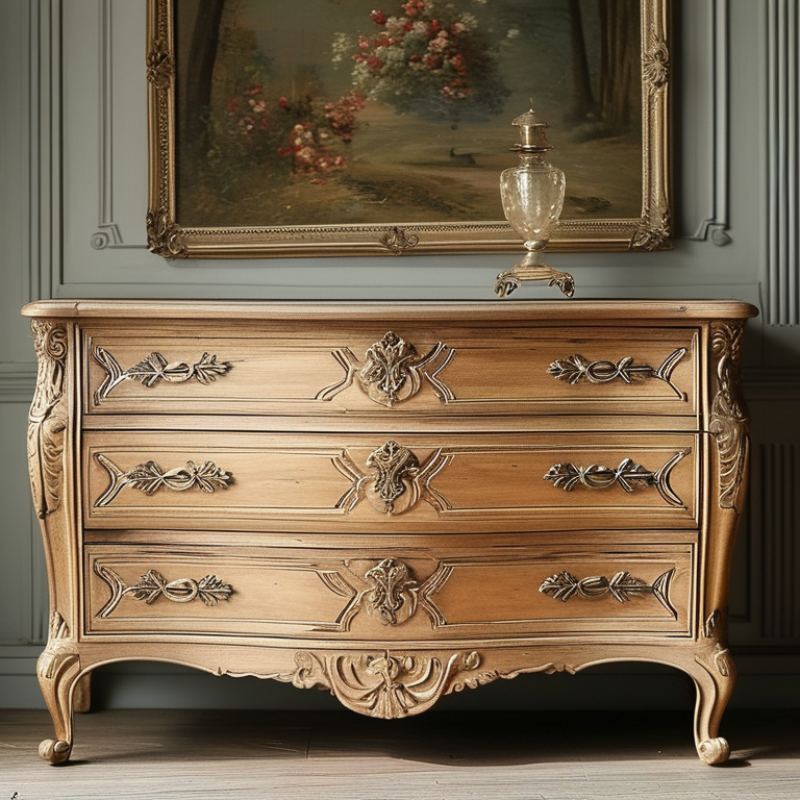
Antique dressing tables reflect various design influences from different eras. These pieces often blend functionality with art, showcasing craftsmanship. In the 18th century, for example, ornate carvings and gilded details were popular. These tables served both aesthetic and practical purposes, highlighting the importance of beauty in everyday life.
Moving to the Victorian era, dressing tables became more elaborate. Victorian designs often included intricate inlays and rich wood finishes. The rise of industrialization allowed for greater accessibility and variety. However, not all decorations aged well. Some ornate styles may seem excessive or out of place today. Many buyers today seek balance—pieces that harmonize with modern decor.
The mid-20th century brought minimalist designs. This era favored clean lines and simplicity. As consumers shifted tastes, some antique tables may appear dated. Buyers now appreciate unique, timeless qualities. They may find imperfections charming. Embracing these differences enhances the connection to the past, adding depth to their space.
Antique dressing tables are a charming addition to any home. Their styles vary widely, influenced by different cultures and periods. The materials used play a significant role in the craftsmanship and value of these pieces. Wood, especially mahogany and oak, offers both durability and beauty. Artisans select high-quality wood for its grain and color, ensuring each table is unique.
Metal accents also feature prominently in some designs. Brass and iron provide elegance and contrast. These materials are often used in detailing, like handles or legs. Glass tops can enhance visual appeal, allowing intricate woodwork to shine. However, finding materials that balance aesthetics and functionality can be a challenge.
Some antique dressing tables incorporate marble or stone. These surfaces add luxury but require careful maintenance. Choosing the right materials is essential but can feel overwhelming. Buyers need to consider personal style and practicality. Ultimately, the allure of antiques lies in their story and craftsmanship. Each table reflects a moment in history, inviting reflection and appreciation.
Antique dressing tables have captured the hearts of collectors around the world. Their styles vary significantly, reflecting cultural preferences and historical influences. For instance, the Victorian era tables offer ornate details, while Scandinavian designs lean towards minimalism. According to a recent report by the Global Antique Furniture Market, the demand for antique dressing tables is increasing annually by approximately 6.5%. This trend highlights a growing appreciation for vintage aesthetics in modern interiors.
When selecting an antique dressing table, consider the craftsmanship. Look for solid woods and intricate carvings. However, not all pieces are flawless. Some may show signs of wear, which can either add character or require restoration. Purchasing from reputable dealers ensures that you have proper provenance and authenticity. Pay attention to finish and hardware, as these elements can indicate quality.
Tips: Check online marketplaces and local auctions for unique finds. Be prepared to invest time in research. Understand that while some pieces may look perfect, they often have imperfections that reveal their journey through time. Embrace these quirks. They tell the story of the piece. This mindset might lead you to unexpected treasures that resonate with your personal style.
Choosing an antique dressing table requires careful consideration. Look for unique features that reflect timeless craftsmanship. Examine the drawer mechanisms; they should operate smoothly. The finish is also crucial. A well-preserved finish highlights the table's beauty but may need occasional touch-ups.
Maintaining an antique dressing table is an ongoing process. Dust regularly to avoid scratches on the surface. Use a soft, lint-free cloth for cleaning. Be mindful of sunlight exposure, which can fade the finish over time. It's wise to apply furniture wax every few months for added protection. However, too much wax may lead to a sticky residue.
Consider the materials used in the table's construction. Wood can be sensitive to humidity. Ensure the ambience is stable. If the wood starts to crack or warp, it might need professional restoration. It’s essential to evaluate the table's condition regularly. Establishing a routine helps preserve its charm and character for years to come.
The appraisal of antique dressing tables is an intricate process, reflecting their unique craftsmanship and historical significance. According to a report by the Antique Dealers Association, the value of these tables has risen dramatically in recent years. Some pieces can fetch upward of $5,000 at auction, particularly those from renowned periods, such as the Victorian or Edwardian eras. However, the market can fluctuate based on trends and buyer preferences.
Understanding what contributes to value is essential. Factors include age, condition, provenance, and design. For example, a well-preserved dressing table with intricate carvings will typically command a higher price. On the other hand, the rise of reproductions complicates appraisals. Buyers may struggle to differentiate between authentic antiques and modern imitations. It’s crucial to consult appraisal experts who possess extensive knowledge of market trends and historical contexts.
In recent studies, about 30% of antique collectors express confusion over genuine articles versus replicas. Many online platforms offer valuations, yet not all provide reliable assessments. Relying solely on these without a professional's insight may lead to misjudgments. Understanding value isn’t just about monetary worth; it speaks to the cultural stories embedded within each piece. Collectors must be vigilant and informed to make wise purchasing decisions.
: Antique dressing tables show various design influences, blending art with functionality, especially from the 18th century.
Victorian dressing tables featured intricate inlays and rich wood finishes, becoming more elaborate than previous designs.
Many modern buyers prefer tables that balance with contemporary decor, avoiding excessive ornate styles.
Minimalist designs favored clean lines and simplicity, contrasting earlier ornate styles.
Some buyers find charm in imperfections, seeing them as a connection to the past and unique character.
Look for solid woods, craftsmanship, and be mindful of wear that may require restoration.
Regular dusting and using a soft cloth are crucial to protect the surface from scratches.
Humidity can affect wood, leading to potential cracking or warping if not properly managed.
Apply furniture wax every few months, but avoid over-application to prevent sticky residue.
Regular evaluations help preserve the table's charm and ensure it remains a cherished piece over time.
The article "2026 Top Antique Dressing Table Styles for Global Buyers" delves into the timeless allure of antique dressing tables, exploring how various classic design influences have shaped these furniture pieces across different eras. It highlights key craftsmanship materials, including elegant woods and intricate metals, which contribute to the distinct character of antique dressing tables.
Additionally, the piece offers a global perspective on popular styles, showcasing the diversity in design that caters to different cultural aesthetics. Readers will find essential tips for choosing and maintaining these exquisite items, ensuring their longevity and beauty. Lastly, the article discusses the importance of understanding the value and appraisal process of antique dressing tables, guiding potential buyers in making informed decisions in the antique market.

Union Home